 AI-Ready Ads

Telekom built its Christmas world with AI
INGO and New Forest built the world, the characters and the imagery with generative AI, for ten markets
In partnership with

Deutsche Telekom's Christmas film 'Take Time to Connect', from INGO and director Léo Cannone of Feel Films, runs on TV, cinema, digital and social in ten European markets. A girl notices her grandfather is lost in memories of his late wife, and draws him into a dreamlike adventure.
Generative AI studio New Forest built the look. Cannone calls AI "a camera directly connected to my imagination."
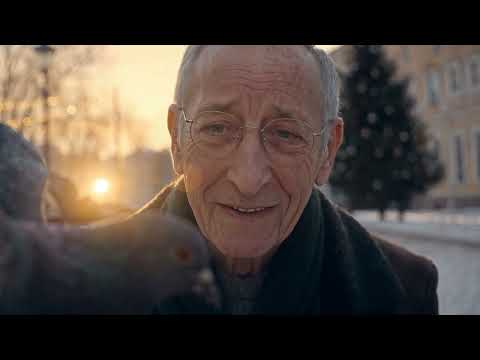
Where AI sat: They partnered with generative AI studio New Forest to build a visual world, characters and campaign imagery made entirely using generative AI. — LBB
“Feeling connected to others is essential to a society in which people can understand and support one another.”
Ulrich Klenke, Chief Brand Officer, Deutsche Telekom
Today in Creative AI
ElevenLabs made SFX v3 available to every workspace on November 2. It's now the default model in Sound Effects, Studio and Flows, and it generates the effects that Video to Music adds.
The company says it follows prompts with several instructions more closely, handles music and vocals better and is less likely to clip on chimes and whistles. That comparison is with its own last model.
Today’s Sponsor:
AI is only as good as what you tell it
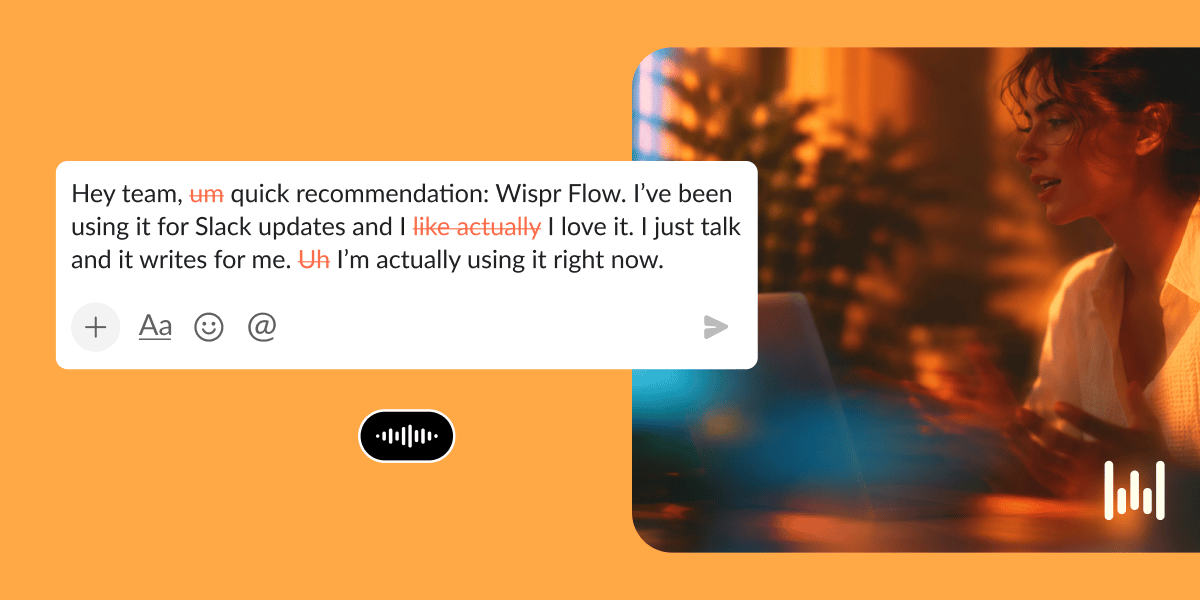
The fastest way to give AI more context is to talk. But that only works if the transcription is right. Wispr Flow runs on Canto, its own speech model, trained on real dictation instead of studio audio.
In Wispr's tests on 10 hours of real dictations from 2,300+ speakers, Canto had the lowest word error rate of every model tested, including Google and OpenAI. It also pulls from your personal dictionary, so tool names, project names and teammates come out spelled right.
Talk through the whole problem, hit enter, and get a better answer. 4x faster than typing, in every app.
The Read
A Christmas film is mostly a feeling, and a good part of a feeling is sound. Telekom's runs on Cyndi Lauper's 'Time After Time', and SFX v3 is for the layer under the song.
This is a brave brief, because grief is the hardest thing to ask of generated faces. Nothing published says whether the faces hold, so watch the grandfather and decide.
For brands: Decide whether AI is in the film before the brief goes out. Cannone says it was in Telekom's from the beginning.
For agencies: INGO paired a director with a generative AI studio. Sell that pairing.

Tool Review → Diginius
Diginius Insight pulls Google, Microsoft, Facebook and LinkedIn performance into one reporting view, with white-label options for agencies. Essential is listed at $75 a month and Pro at $250, with a 30-day free trial on Essential.
A campaign in ten markets needs one place to see the digital half. The limit: fewer connectors than the enterprise tools, so unusual data sources may not be covered.
Worth it if you report across ad platforms by hand. Skip it if you already run your own warehouse.
Make this
Build the sound for a film one effect at a time in ElevenLabs. The steps come from ElevenLabs' Sound Effects guide, which advises separate effects over one long prompt.
Open Sound Effects under Playground.
Describe one sound, with recording detail.
Set a duration up to 30 seconds, and switch on Looping for room tone.
Leave prompt influence at the default 30%, and raise it if results wander.
Generate, download WAV and combine the effects in your audio editor.
Copy this: Soft footsteps on snow, close, high-quality, professionally recorded, sound effects foley
What to expect: Four variations each time, in MP3 or WAV. Prompts stop at 450 characters, and a sequence of sounds in one prompt works less well than separate effects.